
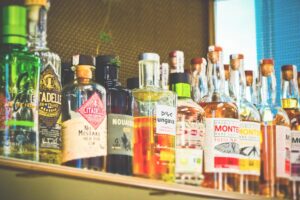
Contaminated alcohol being sold on shelves across Australia has been found to contain plastic and methanol, according to researchers.
A National Drug Research Institute (NDRI) study has found that some spirits, including vodka and whiskey, are sold in Australian bottle shops containing plastic and higher levels of methanol than is allowed.
Methanol is a by-product of the distilling process with most large manufacturers removing it to safe levels, however it is tasteless and can have serious side effects in large doses, including causing death.
NDRI alcohol policy researcher Nic Taylor and his team assessed bottle shops in high socioeconomic areas across Melbourne.
“We visited more than 200 bottle shops across the eastern seaboard in our study,”Dr Taylor said.
“We focused on higher socioeconomic areas in our initial study to be able to extrapolate whether these products are in lower socioeconomic areas too,” Dr Taylor said.
“It’s not limited to one style of spirit either, contamination has been found in vodka, whisky and rums.”
The researchers say that while the levels of methanol they found in contaminated examples are not high enough to cause immediate harm, long-term exposure can lead to health issues.
Most of the alcohol found to have contaminants was made in Australia, with a minority coming from mislabelled imports, rather than to flout the system.
Plastic found in contaminated examples are likely from poor storage in cheaper plastic containers or from using plastic pipes during the distillation process according to the Australian Distillers Association CEO Kylie Lethbridge.
“The overwhelming majority of spirits sold through legitimate Australian distilleries, licensed retailers and reputable hospitality venues are safe, compliant and produced to exceptionally high standards,” Ms Lethbridge said.
Dr Taylor said consumers should be aware of products that are far cheaper than other bottles, or ones that are without a barcode.
“Products that are also missing pregnancy warnings, an incorrect alcohol percentage, are discoloured or have been filled to different levels are all inconsistencies that we look out for,” Dr Taylor said.
People can access free and confidential advice about alcohol and other drugs by calling the National Alcohol and Other Drug Hotline on 1800 250 015.